North Shore, Oahu - Hawaii - Best Surf Beach
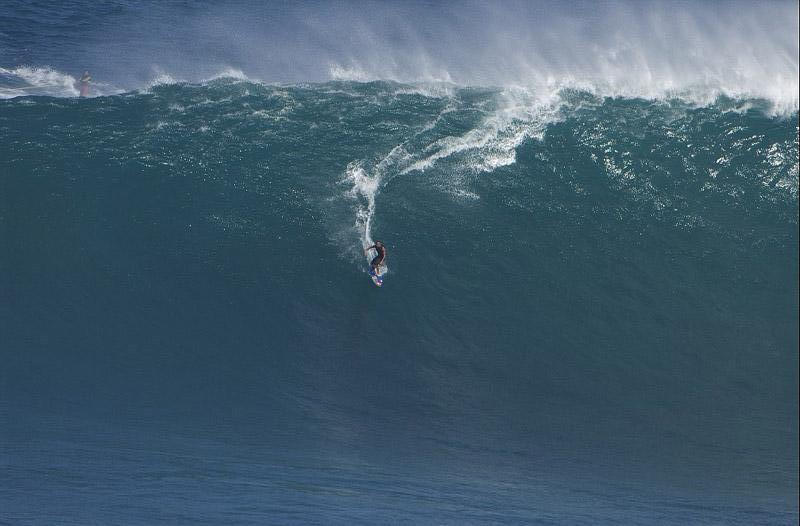 The wave are massive in the wintertime at this birthplace of surfing, the North Shore, Oahu, Hawaii. Frequently referred to as “wild water”, this legendary beach is home to the World’s Best Surf location on the planet.
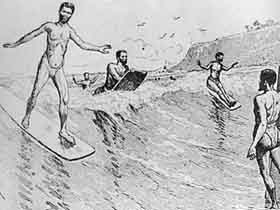 Where did surfing come from? Lt. James King of the Capt. Cook expeditions, carried on Cooks work after he was killed in Hawaii. King, commander of the Discovery, wrote in 1779 that he noted natives riding waves by lying down or standing on long, hardwood boards. However, surfing was likely well ingrained into the Polynesian culture long before his arrival.
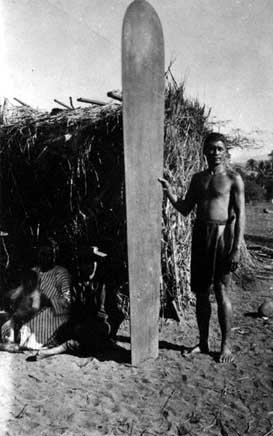 Called the “Sport of Kings“, surfing was discouraged by missionaries arriving in Hawaii, since they believed it took up too much leisure time. How times have changed. Some of the best surfing schools on the planet are run by Christians.
Why the North Shore? It stretches for almost 20 miles - wide, sandy beaches - which between October and February, produce monstrous waves reaching heights of 20 to 30 feet. This can be dangerous for even the most experienced surfer. 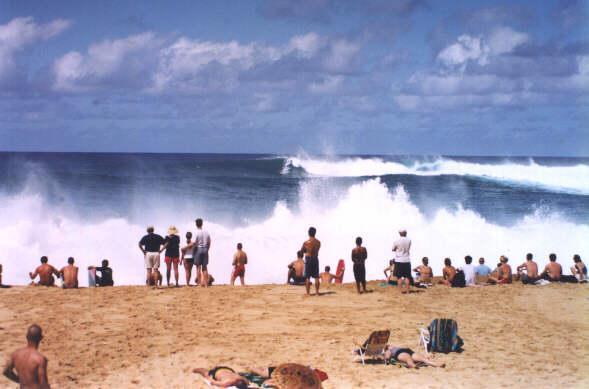 `Ehukai Beach (Banzai Pipeline), is the top location. Named “Pipeline” because of the massive tube that forms from the curling waves, `Ehukai is not for the inexperienced. During the winter, waves stay generally more than 10 feet and break over sharp coral no more than 24 inches from the surface.
But Banzai Pipeline is where surfing fokelore and legends abound. Only the best gather here and you can watch them for countless hours - till the sun sets.
 Waimea Beach is another hot surf spot. It is also notorious for producing monstrous waves in the winter. The “big-wave” surfers flock here every winter hoping to catch “the big one”. One surf event held each year is the Quicksilver Eddie Aikau Invitational. The only requirement for the contest is that the wave height must be 20 feet or higher.
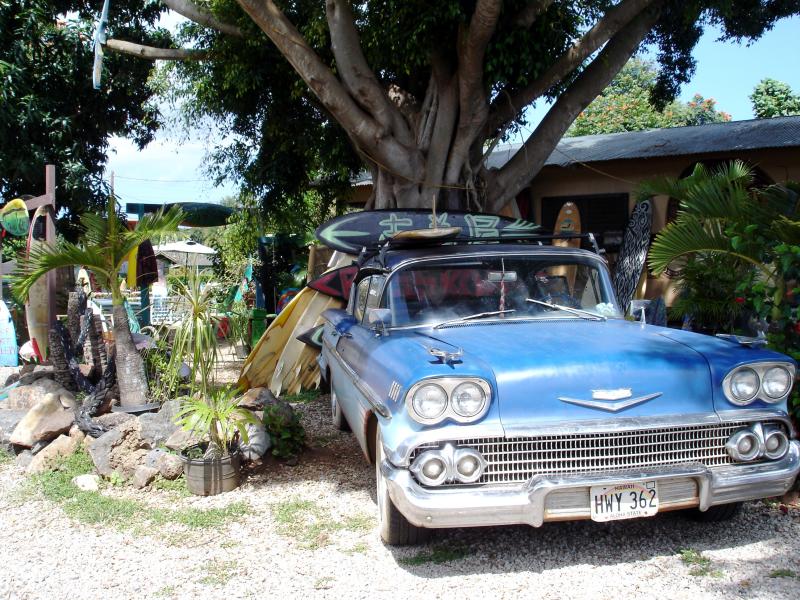 The shore break at Waimea is one of the most dangerous in the world. Lifeguards have had to save many “onlookers” that got too close to the water’s edge and were literally “sucked out” to the coral reef and crashing waves.
Curiously enough, you probably wouldn’t recognize either beach in the summer as the water is what surfer call “flat”. During that period, it’s excellent for swimming, snorkeling and fishing.
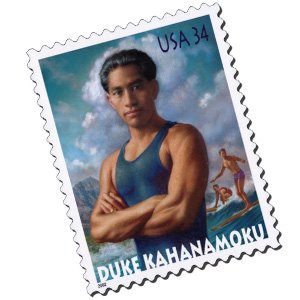 Duke Kahanamoku is credited with popularizing surfing world-wide during the 1920’s. He had just placed handsomely in the 1912 and 1920 Olympics as a swimmer, then toured with his famous 10 foot redwood plank all over the world drawing thousands to watch his performances on the waves.
Duke’s contribution was recognized in 2002 with a commemorative postage stamp. The portrait of Kahanamoku in the stamp art, an oil painting by Michael J. Deas of New Orleans, La., is based on a 1918 photograph from the collection of the Bishop Museum. Behind Kahanamoku two surfers are depicted riding a wave at Waikiki Beach; Diamond Head is visible in the background.
One of my favorite webcams is pointing at the Duke’s statue in Waikiki. You can see the shoreline in the background with the waves lapping up on the beach. It’s a streaming cam run by the government, so it’s always working and always fun to watch the tourist strolling by and taking their picture with the king.
Check out these related beaches:
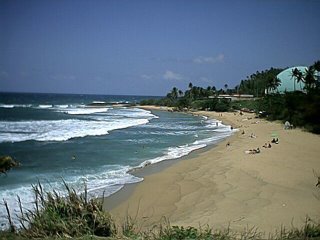 Rincon - Northwest Coast - Puerto Rico There are no beaches along Mayaguez worth traveling to. But up the coast, on Puerto Rico's most western point, is Punta Higuero and the best surfing in Puerto Rico at Rincón. This is no new find - well, for us... but longboarders put Rincon on the map back ...
 Tamarindo, Costa Rica - Best Surfing Weather All it took was the popular surfing film, The Endless Summer 2, to feature Tamarindo's awesome waves and most perfect weather, and surfers and tourists alike were waiting standby to get here. Now Tamarindo is a Central American hotspot with world-class resorts and top shelf service. None ...
Tagged with: Banzai Pipeline • Capt Cook • Hardwood Boards • King Commander • Monstrous Waves • North Shore Oahu • Oahu Hawaii • Polynesian Culture • Quicksilver Eddie Aikau • Reaching Heights • Sandy Beaches • Sport Of Kings • Surf Beach • Surf Event • Surf Spot • Surfers Flock • Surfing Schools • Waimea Beach • Wave Surfers • Winter Waves
Filed under: Surfing
Like this post? Subscribe to my RSS feed and get loads more!

Trackbacks/Pingbacks